
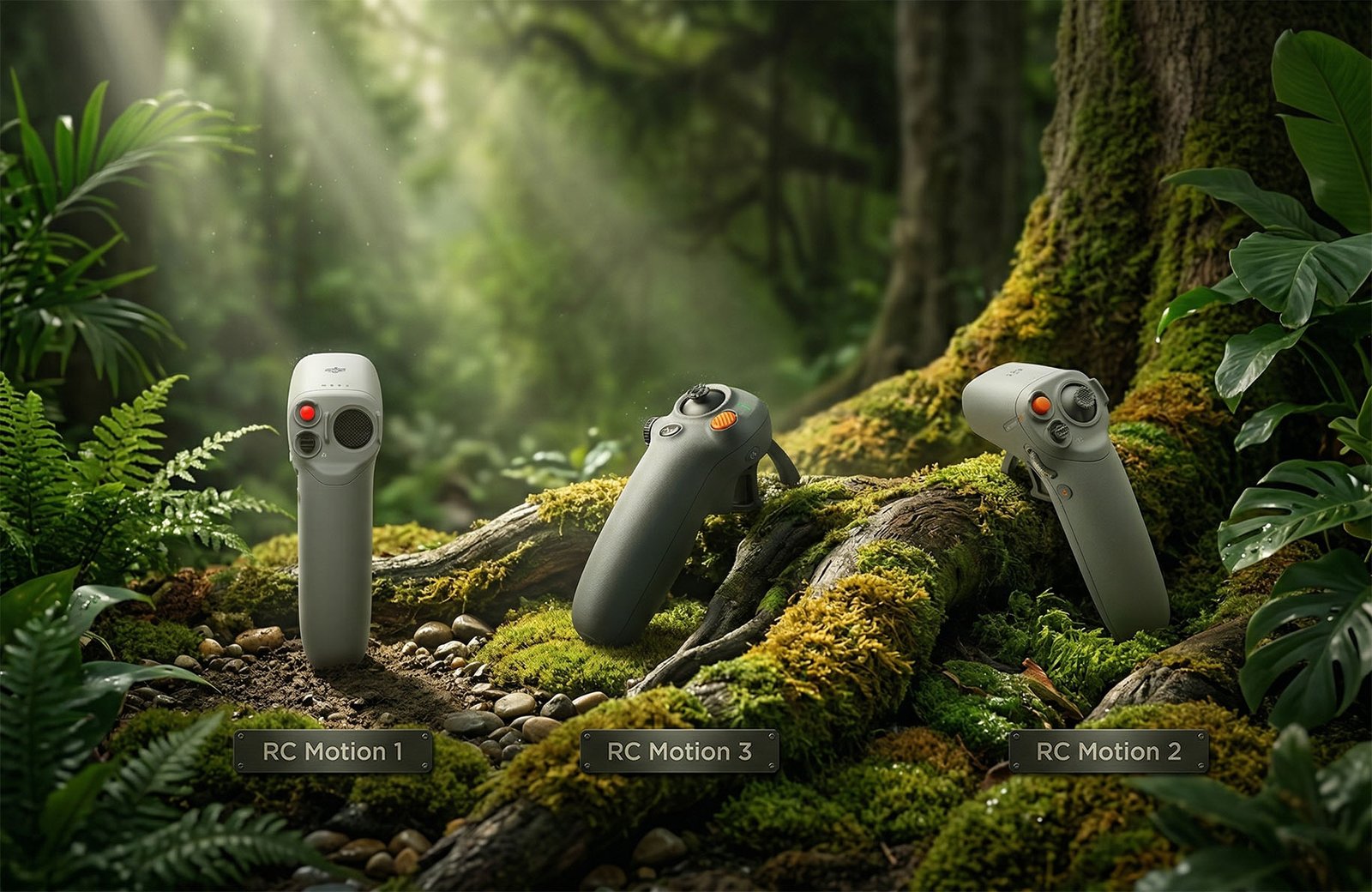
Introduction: Unlock the Full Potential of Your DJI RC Motion Controllers
When it comes to precise drone control, the DJI RC Motion, RC Motion 2 & 3 series is a game-changer for aerial enthusiasts. Whether you’re a hobbyist capturing cinematic shots or a professional mapping landscapes, mastering these controllers ensures smooth flights, responsive handling, and maximum safety. In this guide, we’ll explore expert tips, common pitfalls, and hidden features that can elevate your DJI flying experience.
Understanding DJI RC Motion Series
The DJI RC Motion lineup includes three main models:
| Model | Key Feature | Ideal For |
|---|---|---|
| DJI RC Motion | Gesture-based intuitive control | Beginners and casual flyers |
| DJI RC Motion 2 | Advanced sensitivity & precision | Intermediate pilots and pros |
| DJI RC Motion 3 | High-performance response with customizable controls | Professionals, content creators, and enterprise users |
Each iteration builds on the previous one, enhancing responsiveness, ergonomics, and compatibility. Familiarity with these features is essential for safer and more enjoyable flights.
Pro Tips for Using DJI RC Motion, RC Motion 2 & 3
1. Start With Proper Calibration
Calibration ensures your controller responds accurately to gestures and stick inputs.
Place your drone and controller on a flat surface.
Access the calibration menu in the DJI Fly or DJI Pilot app.
Follow on-screen instructions carefully — small misalignments can lead to drift or delayed responses.
Pro Tip: Recalibrate after firmware updates or when flying in new environments.
2. Optimize Sensitivity Settings
Each DJI RC Motion controller allows you to adjust sensitivity for smoother flights.
Beginner: Lower sensitivity to prevent abrupt movements.
Intermediate: Moderate sensitivity for balanced control.
Professional: High sensitivity for precision maneuvers like cinematic shots or mapping.
Quick Hack: Save multiple profiles for different drones or flight styles to switch quickly without manual adjustments.
3. Leverage Gesture Controls
Gesture-based flying is a standout feature of the RC Motion series.
Practice basic gestures indoors or in an open area before outdoor flights.
Combine gestures with traditional stick control for more nuanced movements.
RC Motion 3 offers customizable gestures — assign them to common functions like takeoff, return home, or camera angles.
Check out the DJI RC Motion 3 controller here for full gesture customization options.
4. Master Firmware Updates
Keeping your RC Motion controller updated improves performance and prevents bugs.
Use the DJI Fly app or DJI Assistant 2 for firmware updates.
Check for simultaneous updates for both drone and controller.
Review release notes — some updates unlock new features or improve connectivity.
Pro Tip: Avoid updating firmware mid-flight. Always do it in a safe, stationary location.
5. Utilize Dual-Controller Functionality
For collaborative projects or training, RC Motion 2 and 3 support dual controllers.
Assign one controller to pilot and another for camera operation.
Ideal for professional filming, surveys, or mapping tasks.
Helps prevent accidents during complex maneuvers.
Common Mistakes to Avoid
Even experienced pilots can run into issues. Here’s what to watch out for:
Ignoring Controller Maintenance – Keep sticks clean, avoid dust, and check for loose connections.
Over-reliance on Gestures – Combine gestures with traditional controls to maintain safety.
Skipping Sensitivity Adjustments – A one-size-fits-all sensitivity can cause jerky flight patterns.
Flying in Poor Weather – High wind or rain can affect controller responsiveness.
DJI RC Motion Series Comparison Table
| Feature | RC Motion | RC Motion 2 | RC Motion 3 |
|---|---|---|---|
| Gesture Control | Yes | Yes | Yes, customizable |
| Sensitivity Levels | 3 | 5 | 7 |
| Firmware Updates | Manual | Auto & Manual | Auto, Manual & OTA |
| Ideal Users | Beginners | Intermediate | Professionals |
| Dual-Controller Support | No | Yes | Yes |
This comparison highlights the progression in features, helping you choose the right controller for your needs.
Accessories and Enhancements
Maximizing your DJI RC Motion experience often requires the right accessories:
Controller Grips: Improve comfort for long flights.
ND Filters: Enhance camera performance during bright daylight flights.
Carrying Cases: Protect your controllers during travel.
Replacement Batteries: Ensure uninterrupted flight sessions.
Explore our collection of drone accessories here.
Quick Summary / Key Takeaways
Start with calibration to ensure smooth responses.
Adjust sensitivity settings based on experience level.
Master gesture controls for seamless, intuitive flying.
Keep your firmware updated to enjoy the latest features.
Avoid common mistakes like flying in poor weather or neglecting maintenance.
Consider accessories to protect and enhance your controllers.
By implementing these tips, you’ll experience more precise flights, safer operations, and a smoother learning curve with your DJI RC Motion, RC Motion 2 & 3 controllers.
Related Posts
Conclusion & Call-to-Action
The DJI RC Motion, RC Motion 2 & 3 controllers unlock incredible possibilities for drone enthusiasts and professionals alike. Mastering calibration, sensitivity, gestures, and firmware updates ensures every flight is smooth, safe, and precise.
Explore our full range of DJI RC Motion controllers and accessories to elevate your drone experience today.